Powertool Tools To Ease Your Everyday Lifethe Only Powertool Trick That Every Person Should Learn by Shantell
0 Curso matriculado • 0 Curso ConcluídoBiografia
The Ultimate Guide to Powertools: Choosing, Using, and Maintaining Your Workshop Essentials
Whether taking on a weekend DIY task around your house or handling a durable building and construction website, the best powertools can indicate the distinction between a frustrating afternoon and a task well done. Modern engineering has transformed basic workshop instruments into sophisticated, high-performance gadgets that conserve time, reduce physical strain, and provide professional-grade precision.
Browsing the huge world of powertools, nevertheless, can be frustrating. From cordless drills to high-torque impact wrenches, comprehending how these devices run, what features to search for, and how to preserve them is necessary for any contemporary maker.
The Evolution of the Powertool: Corded vs. Cordless
For years, the standard for heavy-duty work was the corded tool. Plugged straight into an outlet, these devices offered limitless runtime and constant power. While corded tools still hold an essential location in the workshop-- particularly for stationary table saws and heavy demolition hammers-- lithium-ion battery technology has reinvented the industry.
Modern cordless powertools offer efficiency that equals their corded predecessors without the tether.
Key Comparisons: Corded vs. Cordless
| Feature | Corded Powertools | Cordless (Battery-Powered) Powertools |
|---|---|---|
| Mobility | Limited by cord length and outlet schedule | Limitless; ideal for remote or outside work |
| Runtime | Constant, endless power | Limited by battery capability (needs spares) |
| Power Output | Consistent, high torque under heavy loads | High peak performance, though output can dip as battery drains |
| Upkeep | Very little (check cables, brushes) | Requires battery care and charging management |
| Weight | Typically lighter (no heavy battery pack) | Slightly much heavier due to the battery |
Essential Powertools Every Workshop Needs
While specialized tools exist for nearly every imaginable task, a core collection of flexible instruments forms the backbone of any good tool collection.
1. The Drill/Driver
Perhaps the most ubiquitous powertool, the drill/driver is used for dull holes and driving fasteners. Try to find a design with a keyless chuck (generally 1/2-inch), a variable-speed trigger, and an adjustable clutch to prevent removing screws.
2. The Circular Saw
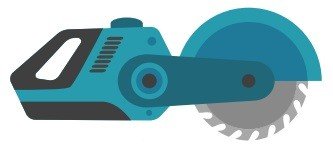
A staple of woodworking and building, the circular saw makes quickly, straight cuts in lumber, sheet goods, and even masonry (with the best blade). It is portable and versatile, often acting as the primary cutting tool on job websites.
3. The Orbital Sander
Hand sanding is notoriously laborious. Random orbital sanders utilize a spinning and wobbling motion to quickly smooth wood, remove old paint, and prep surface areas for finishing while reducing swirl marks.
4. The Reciprocating Saw
Typically called a "Sawzall," this durable demolition tool features a push-pull blade action. It is created to cut through wood, metal, plastic, and drywall quickly, making it essential for remodeling and tear-out work.
Secret Features to Look For When Buying
Before purchasing a brand-new powertool, buyers need to examine numerous important requirements to guarantee the tool matches their needs:
- Brushless Motors: Traditional brushed motors create friction and spark, resulting in wear in time. Brushless motors use magnets and computer chips to deliver more Power Tools Online, longer runtimes, and a significantly extended tool life expectancy.
- Voltage Platforms: Cordless tools run on varying voltages (e.g., 12V, 18V/20V, and 40V+). Greater voltages typically suggest more power for demanding applications, while lower voltages keep tools compact and light-weight for overhead work.
- Ergonomics and Weight: A tool ought to feel balanced in the hand. Rubberized over-molds decrease vibration and improve grip, minimizing tiredness throughout extended usage.
- Safety Features: Modern Tools Online frequently include electronic brakes (which stop the blade quickly when the trigger is released), anti-kickback sensing units, and LED work lights for enhanced visibility.
Powertool Safety Best Practices
Powertools are designed to cut, grind, and drive with immense force, implying security should constantly be the leading concern. Following fundamental precautions avoids mishaps and injuries:
- Wear Personal Protective Equipment (PPE): Always wear ANSI-approved security glasses. Ear protection is essential when using loud Tools Shop like circular saws or angle mills, and a dust mask avoids inhalation of harmful particles.
- Examine Before Use: Check cords for tearing, guarantee guards move easily and snap back into place, and make sure bits and blades are firmly tightened.
- Prevent Loose Clothing and Jewelry: Long sleeves, ties, or dangling precious jewelry can easily catch in spinning machinery. Connect back long hair.
- Disconnect Electric Power Tools For Sale During Changes: Always unplug corded tools or remove batteries from cordless tools before altering bits, blades, or sanding discs.
Upkeep Tips to Extend Tool Lifespan
Quality powertools represent a considerable investment. Correct care ensures they perform dependably for years:
- Keep Them Clean: Dust, resin, and particles can obstruct motor vents and mechanical parts. Usage compressed air or a soft brush to clean tools after every heavy use.
- Appropriate Battery Storage: Do not leave lithium-ion batteries in freezing temperature levels or baking hot vehicles. Shop them at a partial charge (around 50%) if they will not be used for an extended period.
- Lube Moving Parts: Follow the maker's directions concerning oiling equipments and sliding elements on fixed tools like drill presses and miter saws.
- Hone and Replace Blades: Dull blades force the motor to work harder, leading to getting too hot and bad efficiency. Keep cutting edges sharp.
Often Asked Questions (FAQ)
Are brushless powertools actually worth the additional cost?
Yes. Although brushless tools generally bring a greater in advance cost, their effectiveness translates to longer runtimes per charge, more power under load, and a significantly longer total life-span since they have fewer parts that wear.
Can I use batteries from one brand on another brand name's tool?
Usually, no. Battery platforms (such as Makita, DeWalt, Milwaukee, or Bosch) are proprietary. Their physical connection points and interaction chips are designed specifically for their own environment. However, various aftermarket adapters are readily available online, though using them may void guarantees or present security risks.
How should I keep my powertools to avoid rust?
Moisture is the main enemy of metal tools. Shop tools in a climate-controlled environment if possible. If they are kept in a garage or shed, usage silica gel packages inside tool kits, and periodically clean down unpainted metal surface areas with a light machine oil or rust inhibitor.
What is the difference in between a drill/driver and an effect driver?
A basic drill/driver rotates a bit continually, counting on a mechanical clutch to stop turning when resistance gets too expensive. An impact driver uses rotational concussive force (hammering effects) along with rotation, allowing it to drive long screws and stubborn fasteners easily without camming out.
Purchasing the best powertools-- and learning how to use and look after them effectively-- empowers DIYers and experts alike to bring their innovative visions to life. By prioritizing safety, comprehending modern-day motor and battery technology, and sticking to a routine upkeep schedule, any workshop can become a powerhouse of productivity and accuracy.
https://thesocraticmethod.in/profile/tools-online-uk4948